
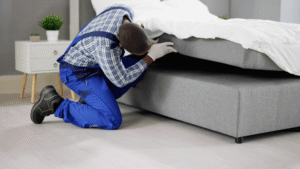
Bed Bug Exterminator Brookfield, WI | Fast, Discreet Local Treatment
If you’re dealing with bed bugs in Brookfield, Wisconsin, quick action matters. Bed bugs don’t spread because of cleanliness—they spread by travel, shared walls, furniture movement, and everyday human activity. Once they establish themselves in a home or apartment, they reproduce quickly and hide in extremely small spaces that most DIY treatments miss.
At Bed Bug Exterminator Waukesha, we provide focused bed bug inspection and treatment services throughout Brookfield and surrounding Waukesha County communities. We don’t dilute our work across dozens of pest types—our entire process is built around understanding bed bug behavior, locating hidden activity, and eliminating infestations as efficiently as possible.
Most Brookfield customers contact us after noticing early warning signs like unexplained bites, dark spotting on bedding, or activity near mattresses and upholstered furniture. Others call after DIY treatments fail to resolve the issue. In both cases, the goal is the same: identify the extent of the infestation quickly and apply the right treatment method based on real conditions—not guesswork.
We provide service across Brookfield’s residential neighborhoods, apartment complexes, condo communities, and commercial properties. Appointments are typically available within 24–48 hours, and all consultations begin with a clear explanation of what’s happening, what options exist, and what the next steps look like before any treatment is scheduled.
Our approach is designed to be straightforward: confirm the situation, choose the right treatment strategy, and eliminate the infestation using proven methods that fit the structure and severity of the problem.
Why Bed Bugs Appear in Brookfield Homes and Apartments
Brookfield is a highly connected suburban community within Waukesha County, with frequent travel, dense residential developments, and a wide mix of housing types. These conditions make it easy for bed bugs to spread without being noticed early. Unlike seasonal pests, bed bugs are not tied to weather or sanitation—they are tied to movement.
Most infestations in Brookfield begin through everyday activity: returning from travel, bringing in used furniture, visiting multi-unit buildings, or receiving secondhand items. Once introduced, bed bugs move slowly but steadily through furniture seams, baseboards, electrical openings, and shared walls in apartment and condo buildings.
We commonly see bed bug activity in Brookfield in a few key environments:
- Apartments and condominiums where units share walls and plumbing channels
- Single-family homes where infestations are introduced through travel or furniture
- Hotels and short-term rentals along major corridors such as Bluemound Road and nearby commercial areas
- Senior living communities where shared spaces and frequent visitors increase exposure risk
Because Brookfield has both older housing stock and newer developments, infestations can behave differently depending on structure. Older buildings may have more hidden voids and gaps that allow movement between units, while newer buildings often have dense furnishings and higher occupancy turnover, which increases the chance of introduction.
One of the most important misconceptions we correct for Brookfield residents is that bed bugs indicate a “dirty” home. In reality, bed bugs are hitchhikers. They are just as likely to appear in clean, well-maintained homes as anywhere else if exposure occurs.
Understanding how bed bugs actually spread is critical because it changes how treatment decisions are made. Instead of focusing on surface-level cleaning, effective control requires identifying movement pathways, hiding zones, and infestation density across all affected rooms or units.
How Bed Bug Inspections Work in Brookfield Properties
A proper bed bug inspection is not a quick visual scan. In Brookfield homes, apartments, and multi-unit buildings, we evaluate both obvious and hidden activity patterns. Bed bugs are expert at staying out of sight during daylight hours, so inspections focus on evidence, not just visible insects.
We begin by identifying the most likely activity zones based on how people use the space. Bedrooms are the most common starting point, followed by living rooms and upholstered furniture areas. In apartments and condos, we also evaluate shared walls and adjacent-unit risk when applicable.
During an inspection, we look for a combination of live activity and indirect signs such as staining, shed skins, egg clusters, and movement patterns along seams and edges. This helps determine whether the infestation is isolated or already spread across multiple rooms.
Where Bed Bugs Commonly Hide
In Brookfield properties, bed bugs tend to concentrate in areas close to where people sleep or rest. However, they often extend beyond the bed depending on infestation age and severity.
- Mattress seams and piping — especially along folds and stitched edges
- Box springs — inside wooden frames and fabric undersides
- Bed frames and headboards — cracks, joints, and screw holes
- Upholstered furniture — couches, recliners, and chairs with fabric seams
- Baseboards and wall edges — especially behind loose trim or gaps
- Electrical outlets and wall voids — in multi-unit housing structures
- Nightstands and dressers — inside joints, drawers, and backing panels
- Cluttered storage areas — boxes, clothing piles, and luggage
As infestations develop over time, bed bugs expand outward from primary hiding areas. This is why early detection is so important in Brookfield homes—smaller infestations are significantly easier to eliminate because they are still localized.
How We Choose the Right Treatment Method
Treatment selection is based on three main factors: infestation level, property layout, and risk of reinfestation. There is no single method that works for every situation in Brookfield, so each plan is built specifically for the conditions we find during inspection.
Chemical treatment is often used when infestations are moderate or when long-term residual protection is important. It targets cracks, seams, and hidden travel paths where bed bugs move after initial exposure.
Heat treatment is used when rapid elimination is needed or when infestations are concentrated in defined areas. Heat penetrates furniture and structural voids where insects hide, but does not provide residual protection after the treatment day.
Combination treatment may be recommended in more complex cases, especially in multi-unit Brookfield buildings where reinfestation risk is higher due to shared walls or repeated exposure sources.
The goal of treatment is not just immediate reduction, but full interruption of the life cycle. That includes eggs, nymphs, and adults across all active zones—not just the areas where activity is easiest to see.
Common Signs of Bed Bugs in Brookfield Homes
Bed bug activity is often identified through indirect evidence before live insects are actually seen. In Brookfield homes and apartments, residents typically notice changes in sleeping conditions or unexplained marks on bedding before confirming an infestation.
One of the most common early indicators is patterned bites on exposed skin after sleeping. While bite reactions vary by person, they often appear in clusters or lines. However, bites alone are not a reliable confirmation, which is why physical inspection is always necessary.
- Dark spotting on bedding or mattresses caused by digested blood or waste
- Shed skins from nymph growth stages near seams and crevices
- Small white eggs in protected cracks and fabric folds
- Live insects near beds, couches, or upholstered furniture
- Musty or sweet odor in heavier infestations
In Brookfield properties, these signs often appear first in bedrooms, but in more advanced infestations they can also show up in living rooms, offices, or secondary sleeping areas such as guest rooms or recliners.
What NOT to Do When You Suspect Bed Bugs
Many infestations become more difficult to resolve due to well-intentioned but ineffective DIY actions. Understanding what to avoid is just as important as knowing what to do.
- Do not use foggers or “bug bombs” — they often scatter bed bugs deeper into walls and furniture
- Do not move furniture between rooms — this can spread activity to previously unaffected areas
- Do not discard mattresses immediately — this can spread bed bugs through hallways and shared spaces
- Do not rely on over-the-counter sprays alone — most only kill on direct contact and miss hidden populations
In Brookfield apartment buildings and condos, these mistakes can unintentionally move bed bugs between units, especially when items are transported through shared hallways or common areas.
How to Prevent Bed Bugs in Brookfield
Prevention is primarily about reducing exposure opportunities and identifying problems early. Since bed bugs are hitchhikers, most prevention strategies focus on travel behavior, secondhand items, and early monitoring.
- Inspect hotel beds and furniture when traveling, especially seams and headboards
- Keep luggage off beds and floors when returning from trips
- Avoid bringing in used furniture without inspection
- Reduce clutter near beds and seating areas to limit hiding spots
- Use mattress and box spring encasements when recommended
In Brookfield’s residential and apartment communities, prevention also includes awareness of shared building structures. Bed bugs can move between units through wall voids, electrical openings, and plumbing channels, which makes early reporting and coordinated response important in multi-unit environments.
The most effective prevention strategy is early intervention. The smaller the infestation, the more contained it is—and the more predictable the treatment outcome becomes.
Frequently Asked Questions About Bed Bugs in Brookfield, WI
How fast can bed bugs spread in a Brookfield home?
Bed bugs typically spread gradually at first, but reproduction accelerates quickly once established. A small unnoticed population can expand into multiple rooms within weeks depending on temperature, available hiding areas, and human movement within the home.
Can bed bugs live in apartments and spread between units?
Yes. In Brookfield apartment and condo buildings, bed bugs can move between units through wall voids, electrical outlets, plumbing lines, and shared structural gaps. This is why inspections often include evaluation of adjacent units when activity is confirmed.
Do I need to throw away my mattress if I have bed bugs?
In most cases, no. Mattresses are treatable and can often be saved when properly addressed. Discarding furniture without coordination can actually spread bed bugs through hallways and common areas in Brookfield residential buildings.
How long does treatment take to work?
Heat treatment works immediately on the day of service, while chemical treatments continue working over time as bed bugs come into contact with treated areas. Full elimination depends on infestation size and preparation quality.
Can bed bugs come back after treatment?
Reinfestation is possible only if new exposure occurs. Bed bugs do not survive long-term without a host, so prevention is focused on avoiding reintroduction through travel, furniture, or neighboring unit activity in multi-family housing.
Are bed bugs dangerous to health?
Bed bugs are not known to transmit disease, but their bites can cause itching, irritation, and allergic reactions in some individuals. The greater impact is often sleep disruption and stress, especially in repeated infestations.
What should I expect after treatment?
After treatment, it is normal to see some remaining activity for a short period as bed bugs come into contact with treated areas. This does not necessarily indicate failure. We provide aftercare guidance so Brookfield residents understand what normal post-treatment activity looks like versus continued infestation.
Aftercare and What Happens Next
Following treatment, proper aftercare is important for achieving full results. Residents are typically advised to follow preparation and re-entry instructions carefully, avoid introducing new clutter, and monitor sleeping areas for any continued signs of activity.
In Brookfield homes and apartments, we often recommend additional prevention steps such as mattress encasements, reduced clutter near sleeping areas, and careful handling of secondhand items or travel luggage after service.
If follow-up concerns arise, the most effective approach is early communication so the situation can be evaluated quickly rather than allowing uncertainty to continue.
Get Help From a Local Brookfield Bed Bug Specialist
If you’re dealing with a suspected or confirmed bed bug issue in Brookfield, WI, the most important step is identifying the scope of the problem early. The longer bed bugs remain undetected, the more widely they can spread within a property.
We provide clear phone consultations, fast scheduling, and treatment options tailored specifically to your situation—not a one-size-fits-all approach. Most Brookfield appointments are available within 24–48 hours.
Whether you live in a single-family home, apartment, condo, or manage a commercial property in Brookfield, early action is the most effective way to reduce both cost and disruption.
Bed Bug Exterminator Waukesha proudly serves Brookfield and surrounding Waukesha County communities with discreet, professional bed bug control solutions designed for real-world conditions.