
If you have pets in the house, bed bugs feel extra gross. Not just because it’s bed bugs (obviously), but because now you’re trying to solve two problems at once.
- Get rid of bed bugs fast.
- Don’t accidentally make your dog, cat, bird, or lizard sick in the process.
And yeah, a lot of the advice online gets weirdly vague. Or it’s written like every home is a lab with perfect ventilation and zero fur on the floor.
So let’s make this practical.
This guide covers which bed bug treatments are generally considered safer around pets, what to avoid, and how to set up your home so treatment works without putting your animals at risk.
Quick note: I’m not a veterinarian, and product labels plus your vet should always win. But I can absolutely walk you through what typically is and is not pet friendly in real bed bug treatments.
The big rule first (because it matters)
No matter what treatment you use, pets should not be in the room during application.
Even “natural” products can irritate lungs, skin, eyes, and some animals are wildly sensitive.
Think of it like painting a room. You can buy “low VOC” paint, but you still don’t lock a parrot in there while you roll the walls.
Why pet safety is tricky with bed bugs
Bed bugs hide where pets live.
Beds, couches, rugs, baseboards, pet beds, blankets, that little corner where your cat naps. So if you treat thoroughly, you will treat near pet stuff. That’s unavoidable.
Also, pets do three things that make exposure more likely:
- They’re closer to the floor where residues settle.
- They groom and lick paws and fur.
- They don’t read warning labels and will absolutely walk across a “still drying” area.
So the goal isn’t “find something you can spray with pets nearby.” The goal is use the right method, apply it correctly, and manage re entry safely.
Treatments that are usually safest around pets (when done correctly)
1) Professional heat treatment (high on safety, high on effectiveness)
Heat is one of the cleanest bed bug solutions for pet households because it doesn’t rely on chemical residues.
A real heat treatment uses industrial heaters and sensors to raise the treated areas to temperatures lethal to bed bugs (including eggs). It’s not the same thing as running your thermostat high.
Why it’s pet friendly:
- No pesticide residue on floors or furniture.
- No lingering odors.
- Once the home cools back down, there’s nothing “active” left behind.
The catch:
- Pets must be out of the home during the treatment. It gets dangerously hot.
- Some items can be damaged if not prepped right (wax, certain plastics, medications, etc.).
- Cost is usually higher than standard chemical treatment.
If you have birds, reptiles, or small mammals with fragile respiratory systems, heat is often the first thing I’d talk through. It reduces risk of inhalation exposure.
Image:
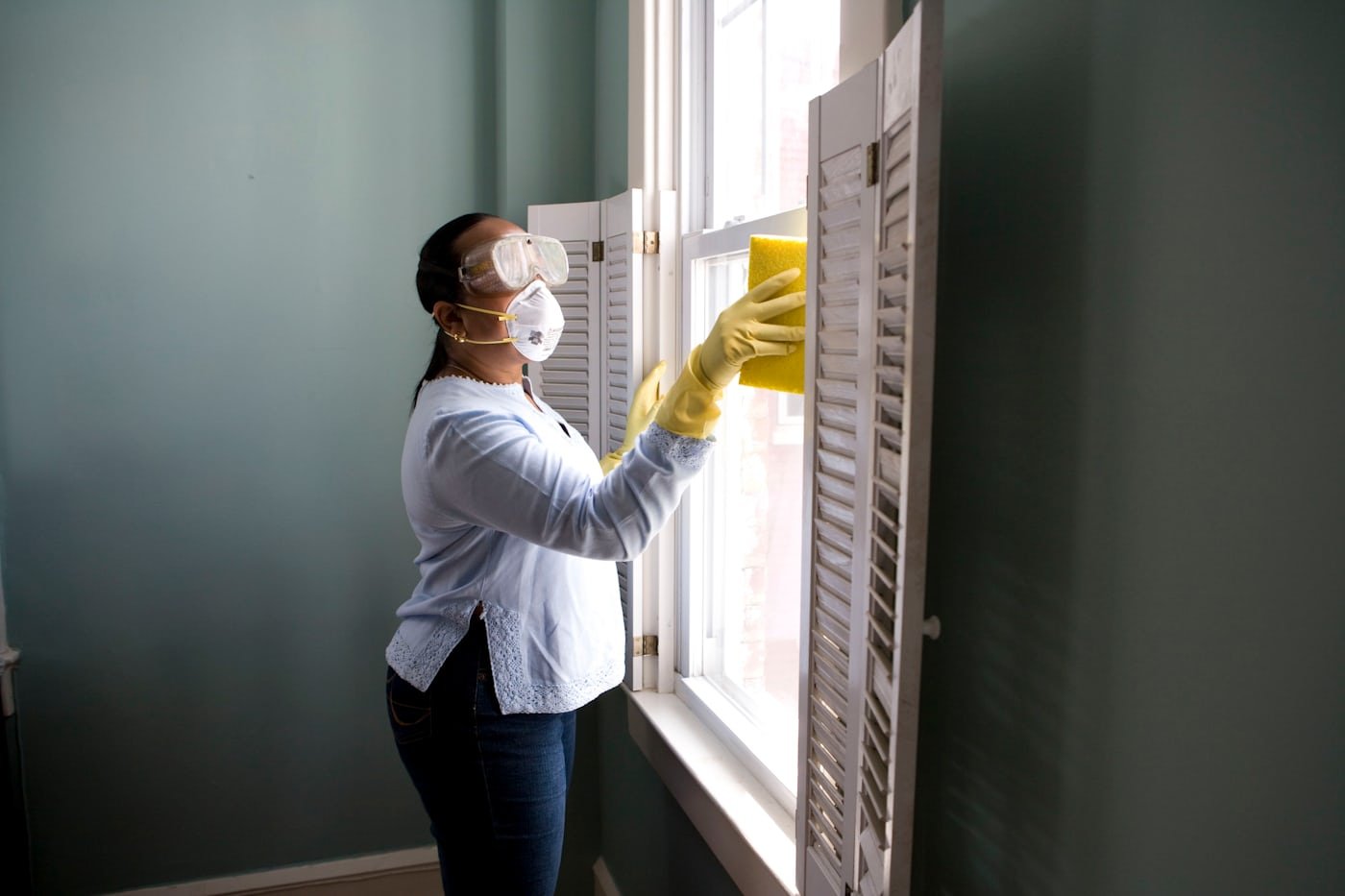
2) Targeted chemical treatment by a bed bug specialist (safe when applied correctly)
This is the most common route in most homes because it’s effective and typically more affordable.
The key words are targeted and professional. Bed bug pros do not (or shouldn’t) “bomb the room” with chemicals. They treat cracks, crevices, bed frames, baseboards, furniture seams, and use products labeled for indoor use with strict directions.
What tends to be safer for pets:
- Products applied into voids and seams rather than broad floor spraying.
- Low odor formulations.
- Clear dry time and re entry instructions.
What you do as the pet owner:
- Remove pets and pet items during application.
- Keep pets out until it’s dry and ventilated, plus the label time.
- Wash pet bedding separately and don’t put it back until safe.
If you’re in Waukesha County and want to talk through options, Bed Bug Exterminator Waukesha does bed bug only service and can walk you through what treatment plan makes sense for your household and your animals. Typically you can get a free phone consult and scheduling is often pretty quick, which matters when you’re trying to juggle pets and prep.
Image:

3) Silica gel or diatomaceous earth (with major caution)
These are “dust” treatments. They work by damaging the bed bug’s protective coating and dehydrating them.
They’re often marketed as “natural” and therefore assumed safe. But natural doesn’t mean harmless. The risk here is inhalation and eye irritation.
Silica gel dust is usually more effective than many diatomaceous earth products, but both need careful application.
Pet safety notes:
- Avoid airborne dust. If you can see it puffing into the air, that’s a problem.
- Keep pets away from treated voids, especially cats (they groom constantly).
- Do not apply in open areas where pets walk, sleep, or roll around.
If you use dust at all, it should be a thin, barely visible layer in wall voids, behind outlets, under baseboards, and other inaccessible spots. Not piles. Not “I lined the carpet with it.”
Also, only use products that are labeled for indoor pest control use, and follow the label.
Image:
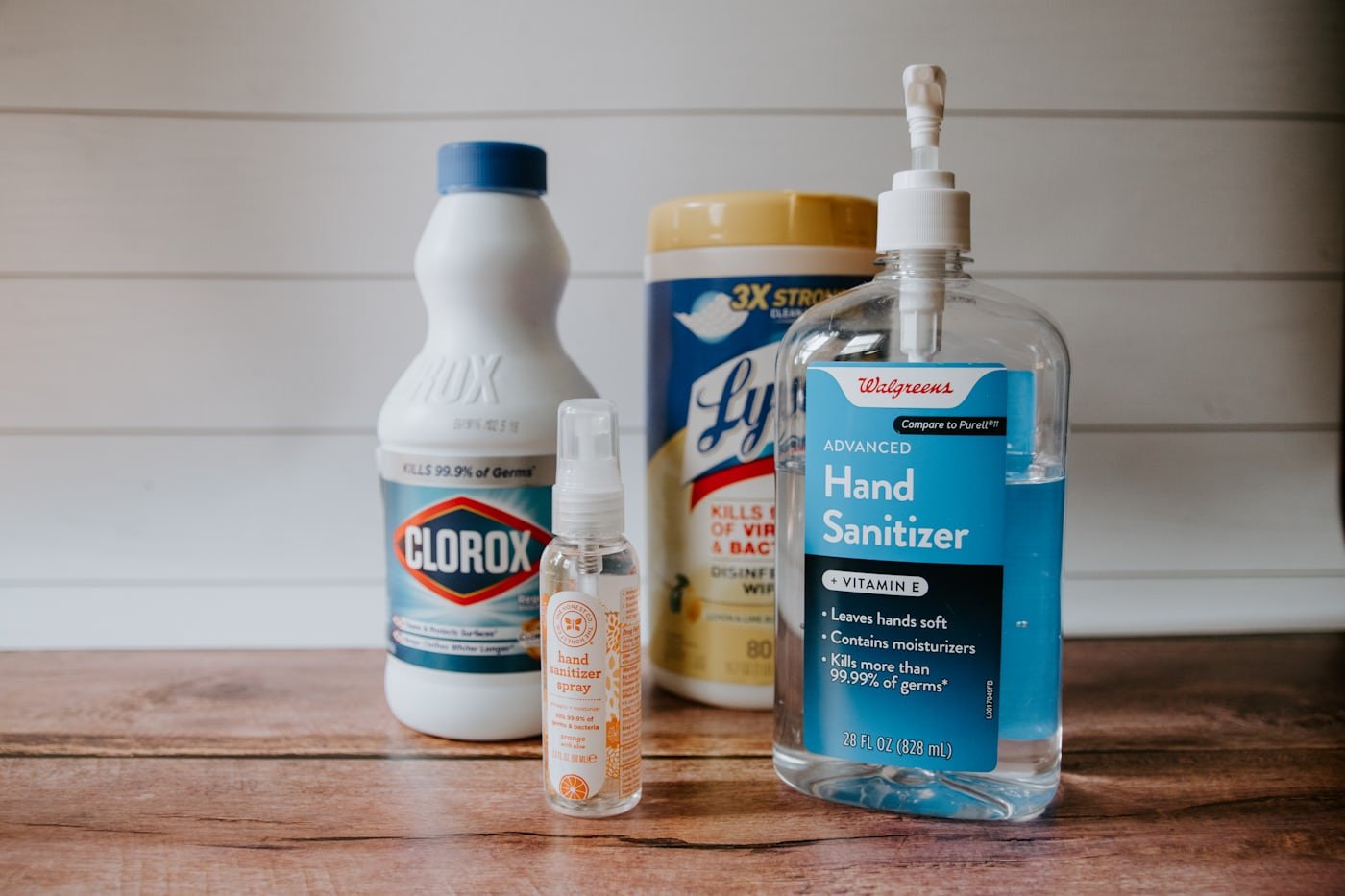
4) Mattress and box spring encasements (very pet safe, very useful)
Not a “treatment” in the kill everything instantly sense. But encasements are one of the most pet friendly tools you can use.
They trap bed bugs inside and block new ones from nesting in seams.
Why they help in pet homes:
- Less need for repeated chemical contact on sleeping surfaces.
- Easier inspection.
- Fewer hiding places.
Just make sure you buy encasements specifically rated for bed bugs (zipper quality matters a lot).
Image:
5) Steam treatment (safe-ish, but easy to do wrong)
Steam can kill bed bugs on contact if the steam is hot enough at the point of contact. It can be a helpful add-on for seams, tufts, couch edges, and bed frames.
Why it’s relatively pet safe:
- No residue.
- No chemical exposure.
Why it can still go sideways:
- Many consumer steamers aren’t hot enough where it counts.
- Too much moisture can cause mold or damage.
- You can scatter bed bugs if you blast too aggressively.
If you steam, keep pets away (burn risk), and focus on slow passes and target areas. Steam is more like a precision tool than a “whole home solution.”
Treatments that are usually NOT safe around pets (or just not worth the risk)
Bug bombs and foggers (just don’t)
Foggers are notorious for:
- Driving bed bugs deeper into walls.
- Leaving residues on surfaces.
- Increasing inhalation exposure risk for pets.
- Not actually solving infestations.
If you have pets, foggers are even worse. And even if you remove pets during use, residues can linger where they walk and groom.
Ozone generators (dangerous, not a real bed bug fix)
Ozone is an irritant and can harm lungs. It is not a reliable bed bug elimination method and is unsafe for people and pets when used incorrectly. Avoid.
Essential oils as a primary treatment (not reliable, can be toxic to pets)
This one is huge.
A lot of “natural bed bug sprays” use essential oils like tea tree, peppermint, clove, cedar, etc.
Some of these can be toxic to cats, and irritating to dogs and birds. Even if they “repel” a few bugs (and that’s debatable), they do not solve the infestation.
So if the goal is to protect your pets, don’t trade a known treatment plan for a DIY oil cocktail.
DIY pesticide mixing or “stronger is better”
Never combine products. Never apply more than the label allows. Never use outdoor chemicals indoors.
Besides being unsafe, it can also make bed bugs harder to kill because you end up with poor coverage, bad placement, and a false sense of progress.
So what is the safest overall option?
If we’re ranking purely on pet exposure risk:
- Heat treatment (pets out during service, then basically zero residue)
- Steam + encasements + laundering (good support, but rarely enough alone)
- Professional targeted chemical treatment (safe when done right, effective, common)
- Dusts (can be okay in voids, riskier if misapplied)
In real life, most successful plans are a combination. Especially if the infestation isn’t tiny.
How to prepare for treatment when you have pets (this matters as much as the product)
Step 1: Plan where your pets will go
- For heat: pets must be fully out of the home for the day.
- For chemical: often just out of treated rooms until re entry time, but many people choose to board for simplicity.
If you have cats that hide, start setting carriers out early. Do not wait until the technician is in your driveway. It turns into a circus.
Step 2: Remove or protect pet items
- Pet beds, blankets, toys, collars, leashes. Bag them.
- Wash what you can on hot, then dry on high.
- For items you cannot wash, ask your exterminator what they recommend. Sometimes they can be run through a dryer alone if safe for the material.
Also, don’t forget stuff like the cat tree cushion or the dog’s favorite couch blanket. That’s often where bed bugs end up.
Step 3: Keep food and water bowls away
This one is simple. Bowls pick up residues and dust. Move them to a safe area, wash before re use.
Step 4: Ventilate after treatment
Open windows when allowed. Run fans if advised. Then clean only what you’re told to clean.
Some treatments rely on residuals. If you mop everything immediately, you can reduce effectiveness. This is where following the pro’s instructions matters.
Re entry rules for pets (the simple version)
This varies by product, so always follow the label and your technician’s instructions. But generally:
- Heat treatment: pets return once the home is back to a normal safe temperature.
- Chemical treatment: pets return after the treated areas are fully dry and after the stated re entry period.
- Dusts: pets should not have access to treated voids or areas where dust is present.
If your pet has asthma, is elderly, or you have birds, be more conservative. Longer ventilation time, more separation from treated zones.
What about pet safe DIY bed bug treatments?
If you’re trying to do something tonight, right now, without putting pets at risk, here’s what usually makes sense:
- Hot wash and high heat dry for bedding, blankets, clothing.
- Dryer only for items that can’t be washed but can be safely heated.
- Vacuuming (slow, thorough, seams and cracks). Immediately empty into a sealed bag and take it outside.
- Encase the mattress and box spring.
- Reduce clutter where bed bugs hide.
These steps are pet safe and helpful. They just may not finish the job alone, which is the frustrating part.
Special pets: birds, reptiles, fish tanks
A quick reality check. Some pets are more sensitive than dogs and cats.
Birds
Bird respiratory systems are extremely sensitive. Any aerosol, odor, or airborne dust can be dangerous.
If you have birds, it’s often best to:
- Remove the bird from the home during treatment and ventilation.
- Avoid foggers, essential oils, and heavy sprays completely.
Reptiles
They can be sensitive to temperature swings and fumes. Heat treatment can be tricky because you cannot leave them inside. Plan transport, stable temps, and ask your vet if needed.
Fish tanks
Covering tanks is not always enough because oxygen exchange matters. If chemicals are used, you may need to:
- Move the tank if feasible, or
- Use sealed covers and turn off air pumps only if it’s safe for the fish, for a limited time, and per professional guidance.
This is a scenario where a phone consultation is genuinely useful. If you’re local, Bed Bug Exterminator Waukesha can usually talk through your exact setup and recommend the safest approach before anyone shows up.
Signs your “pet safe” approach is not working
This is where people lose weeks.
If you are seeing any of the following after DIY efforts:
- New bites.
- Live bugs in seams, couch edges, bed frame joints.
- Black spotting (fecal stains) spreading.
- Bugs in more than one room.
You probably need a professional plan. Not because you failed. Because bed bugs are stubborn and your home has a thousand hiding places.
A simple, pet-aware game plan that actually works
If you want a straightforward path:
- Confirm it’s bed bugs. (Don’t treat blindly.)
- Do immediate containment: laundry, dryer, vacuum, encase.
- Pick a main elimination method: heat or targeted chemical.
- Remove pets during application.
- Follow re entry and ventilation instructions exactly.
- Do follow-up inspection and any scheduled re-treatments.
That’s it. Not glamorous, but it works.
If you’re in Waukesha and need help fast
If you’re dealing with bed bugs and you have pets, it’s worth working with someone who does bed bugs all day, not “bed bugs plus 40 other pests.” The treatment plan and the prep are different.
You can check out Bed Bug Exterminator Waukesha here:
https://bedbugexterminatorwaukesha.com/
They offer free phone consultations, upfront pricing, and often can schedule within 24 to 48 hours, which is honestly a big deal when you’re trying to coordinate pet boarding, carriers, laundry, and your normal life.
Final answer (plain and simple)
The safest bed bug treatment around pets is the one that removes the bugs completely while minimizing exposure. In most homes that means professional heat or targeted professional chemical treatment, with pets out during application and back only after it’s safe to re enter.
If you want, tell me what pets you have and what rooms are affected (bedroom only vs whole home), and I can help you narrow down the safest option.
FAQs (Frequently Asked Questions)
Why is pet safety a challenge when treating bed bugs at home?
Pets often live close to the floor where pesticide residues settle, groom themselves which can lead to ingestion of residues, and may walk on treated areas before they are dry. Bed bugs also hide near pet belongings, making thorough treatment necessary but increasing the risk of pet exposure.
What is the most pet-friendly professional bed bug treatment option?
Professional heat treatment is considered highly safe for pets because it uses industrial heaters to raise temperatures lethal to bed bugs without chemical residues or lingering odors. However, pets must be removed from the home during treatment due to high heat levels.
How should chemical treatments for bed bugs be applied safely around pets?
Chemical treatments should be targeted and applied by professionals in cracks, crevices, and furniture seams using products labeled for indoor use. Pets and their belongings should be removed during application and kept out until the area is dry, ventilated, and safe according to product instructions.
Are natural dust treatments like silica gel or diatomaceous earth safe for pets?
While marketed as natural, these dust treatments can cause inhalation and eye irritation in pets. They must be applied carefully in thin layers only in inaccessible spots like wall voids or behind baseboards, avoiding open areas where pets walk or sleep.
What is the most important rule regarding pets during any bed bug treatment?
No matter what treatment you use, pets should not be in the room during application. Even natural products can irritate lungs, skin, or eyes, and some animals are highly sensitive to chemical exposures.
How can pet owners prepare their home to ensure effective and safe bed bug treatment?
Pet owners should remove all pets and pet items during treatment application, wash pet bedding separately before returning it to the home, follow label instructions carefully including drying and ventilation times, and consult with pest control professionals about pet-safe options tailored to their household.