
You made it through treatment. That alone is a win.
And I know what happens next because we hear it all the time. People want to “put everything back,” clean like crazy, or do one last DIY bomb just to be safe. Totally normal instincts.
But post treatment is its own little danger zone. A few common mistakes can literally undo the work you just paid for, or at least make it harder to know what is going on.
So here are the 10 things not to do after a bed bug treatment, plus what to do instead, in plain language. (This applies whether you had a chemical treatment, heat, or a combo. Some points matter more for one method than the other, but the spirit is the same.)
Quick note before we start
If your technician gave you instructions, follow those first. Always. Different products and treatment plans have slightly different rules.
If you need a local team that will actually walk you through this stuff on the phone, Bed Bug Exterminator Waukesha does free consultations and tends to schedule fast (often 24 to 48 hours). Here’s the site:
https://bedbugexterminatorwaukesha.com/
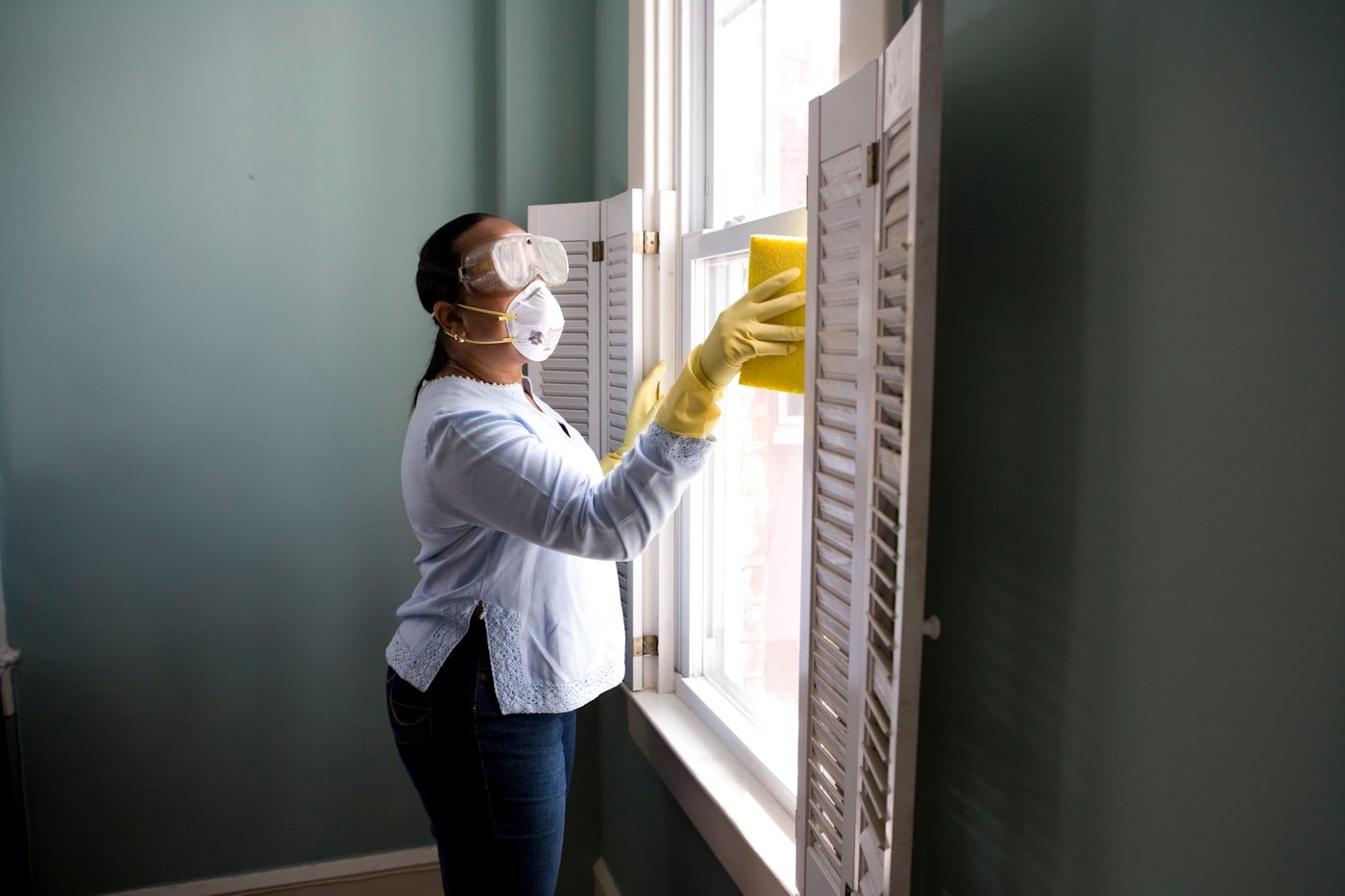
1) Don’t deep clean or mop treated areas right away
This is probably the biggest one.
After a chemical treatment, there are usually residual products placed where bed bugs travel and hide. If you mop, scrub baseboards, shampoo carpets, or wipe down every crack like you are preparing for surgery… you can remove the treatment.
What to do instead:
- Do light cleaning only where you need it.
- Avoid washing treated floors, baseboards, bed frames, and furniture edges until your provider says it is okay.
- If you must clean a spot (spills, pet mess), do it carefully and avoid the cracks and edges.
If you’re not sure what was treated, call and ask. It is a 2 minute question that can save you weeks.
2) Don’t move furniture back immediately (or rearrange the whole room)
A lot of people push everything to the center of the room for treatment, then the second the tech leaves, they shove it all back and “make things normal.”
Problem is, moving stuff around can:
- drag bugs or eggs to new areas
- create new hiding spots
- make follow up inspections harder
- put untreated items back against treated zones in a way that blocks residual protection
What to do instead:
- Put things back only as instructed.
- Keep beds slightly pulled away from walls if you were told to.
- Try not to change the layout for a bit. Boring, yes. Helpful, also yes.
3) Don’t sleep in a different room “until it’s over”
This one feels logical. People think, “I’ll just sleep on the couch / guest room / basement so I stop getting bit.”
But bed bugs follow people. If you move your sleeping spot, you can spread activity into a new room. Then instead of one problem area, you’ve got two.
What to do instead:
- Keep sleeping in the treated bed unless your provider tells you otherwise.
- Let the treatment do its job where the bugs already think dinner happens.
That regular human presence is actually part of how many treatment plans work.

4) Don’t bring in new furniture, mattresses, or random curb finds
Post treatment is not the time to “upgrade” the bedroom. Or pick up that free dresser someone put out because it “looks fine.”
Anything brought in can:
- already have bed bugs
- complicate monitoring
- add hiding places
- make it harder to tell if remaining activity is old or brand new
What to do instead:
- Wait until you’re cleared, or at least until after the follow up.
- If you must bring something in, inspect it like a maniac and ask your pest pro what they recommend.
Also, don’t accept used mattresses. Just… don’t.
5) Don’t remove mattress or box spring encasements (if you were told to use them)
Encasements are not magic, but they are a solid tool. They trap anything inside, reduce hiding spots, and make inspections easier.
Some people take them off because they feel “crinkly” or because they want to wash them.
That defeats the point.
What to do instead:
- Keep encasements on for the recommended time (often many months).
- If one rips, replace it, don’t just shrug and remove it.
- Make sure the zipper is fully closed and secured.
6) Don’t overdo DIY chemicals, foggers, bombs, or essential oils
This is where good intentions turn into chaos.
Foggers and bombs can:
- push bed bugs deeper into walls and furniture
- spread them to other units in apartments
- interfere with professional products
- create unnecessary exposure for people and pets
And yes, we still get calls where someone used three bombs, slept in the room that night, and now everything smells like chemicals and the bugs are still biting.
What to do instead:
- Follow the plan you already started.
- If you feel anxious, call your provider and ask what’s normal post treatment.
- Use only what was recommended, in the way it was recommended.
If you’re in Waukesha County and want a bed bug only company (not a general pest place that treats bed bugs “sometimes”), Bed Bug Exterminator Waukesha leans hard into bed bug specific work, and that matters.
https://bedbugexterminatorwaukesha.com/
7) Don’t assume every bite means the treatment failed
This one is emotionally brutal, I get it.
After treatment, you might still see:
- a live bug here and there
- bites that show up later (skin reactions can lag)
- “phantom bites” from stress (also real, also common)
- activity as bugs cross treated areas and die later
Depending on the treatment type, some level of post activity can be expected for a short window.
What to do instead:
- Track what you see, not just what you feel.
- Note dates, rooms, and any actual sightings.
- Save a specimen if you can (tape it, bag it), so it can be identified.
And if you’re unsure, ask. A quick phone consult can tell you if what you’re seeing is normal or not.
8) Don’t stop doing laundry protocol halfway through
A lot of people start strong. Bags everywhere, hot dryer cycles, careful handling.
Then a week later they get tired and start tossing “kinda clean” clothes back into drawers without drying, or they open bags and leave piles sitting around.
That creates little safe islands where bugs can survive.
What to do instead:
- Keep clean items sealed if that was part of your prep plan.
- Continue the dryer first approach (dryer heat is often the real killer).
- Don’t mix clean and dirty piles.
A simple rule that helps: If it hasn’t been dried on high heat (when safe for the fabric), treat it like it might be contaminated.

9) Don’t ignore clutter and “storage habits” returning to normal too fast
Nobody likes hearing “declutter” because it sounds like a lifestyle lecture. This is not that.
This is just practical. Bed bugs love clutter because clutter creates:
- more hiding places
- more protected seams and folds
- harder inspection zones
- more “untreated” pockets
Some people clean up for treatment, then immediately bring the clutter right back. Boxes under the bed, piles in the closet, stacks of laundry on a chair.
What to do instead:
- Keep the room simpler for a while.
- Avoid storing items under the bed.
- Keep floors and bed area easy to inspect.
You don’t have to become a minimalist. Just don’t rebuild the bed bug playground.
10) Don’t skip follow up steps, monitoring, or the second visit (if scheduled)
If you were scheduled for follow up, it is not optional in the “eh, seems fine” sense.
Bed bug jobs often require:
- follow up inspections
- reapplications in certain cases
- confirmation that activity is gone
- adjustments based on what was found
Skipping that can leave a small surviving pocket. And a small pocket turns into a big one again, usually right when you finally relax.
What to do instead:
- Keep your follow up appointment.
- Keep monitors/interceptors in place if provided.
- Report sightings clearly, without panic, just facts.
If you went with a company that offers straightforward guidance and plans, great. If you didn’t, and you’re feeling lost, you can still call Bed Bug Exterminator Waukesha and ask what a normal post treatment timeline looks like. They do free phone consults, which is honestly huge when your brain is spinning at 11 pm.
https://bedbugexterminatorwaukesha.com/

Not a full checklist, just the big sanity savers.
- Do keep sleeping in your normal bed unless told otherwise.
- Do keep the treated areas intact (no aggressive cleaning).
- Do reduce clutter so inspections and residuals work better.
- Do communicate with your provider if you see live bugs after a certain point.
- Do keep a simple log of sightings and where they happened.
Call if you notice any of the following, especially after the initial post treatment window your provider gave you:
- multiple live bugs on multiple days
- activity spreading into new rooms
- bugs in broad daylight repeatedly
- you think you accidentally removed treatment (mopping, shampooing, etc.)
- you live in a multi unit building and suspect a neighboring issue
If you’re local, this is exactly the kind of situation Bed Bug Exterminator Waukesha handles daily, including multi unit properties, discreet service, and limited prep options for people who need it.
https://bedbugexterminatorwaukesha.com/
Post treatment is not the time to go rogue.
If you avoid these 10 mistakes, you give your treatment plan the best chance to actually finish the job. And you keep things simpler, which matters more than people think. Less chaos, fewer variables, easier to confirm you’re in the clear.
If you want to talk through your situation or you’re not sure what kind of treatment makes sense for your home in Waukesha County, you can start here:
https://bedbugexterminatorwaukesha.com/
FAQs (Frequently Asked Questions)
What should I avoid doing immediately after a bed bug treatment?
Avoid deep cleaning or mopping treated areas right away as it can remove residual products placed to kill bed bugs. Instead, do only light cleaning where necessary and avoid washing treated floors, baseboards, and furniture edges until your provider says it’s safe.
Is it okay to move furniture back or rearrange the room right after treatment?
No, moving furniture immediately can drag bugs or eggs to new areas and create new hiding spots. It’s best to put things back only as instructed by your technician and avoid changing the room layout for a while.
Should I sleep in a different room after bed bug treatment to avoid bites?
No, sleeping in a different room can spread bed bugs to new areas, making the problem worse. Keep sleeping in the treated bed unless your provider advises otherwise so the treatment can work effectively where the bugs expect you.
Can I bring in new or used furniture and mattresses after treatment?
It’s not recommended to bring in new or used furniture, mattresses, or items like curb finds post-treatment as they may harbor bed bugs or complicate monitoring. Wait until you’re cleared or consult your pest professional before adding anything.
Why shouldn’t I remove mattress or box spring encasements after treatment?
Encasements trap any remaining bed bugs inside and reduce hiding spots, making inspections easier. Removing them defeats their purpose. Keep them on for the recommended duration and replace if damaged.
Is it safe to use DIY chemicals, foggers, bombs, or essential oils after professional bed bug treatment?
No, overusing DIY treatments like foggers or bombs can push bed bugs deeper into hiding, spread them further, interfere with professional treatments, and pose risks to people and pets. Follow your provider’s plan strictly and consult them if unsure.