
You sit down to watch something. You feel a little itch. Then you notice a tiny rust colored dot on the cushion seam. Then another.
And suddenly your brain goes, great. The couch.
If you’re dealing with bed bugs in a sofa, you’re not automatically doomed. You do not have to drag it to the curb the same day. In fact, tossing a couch can sometimes make things worse, because you end up carrying it through hallways, down stairs, past door frames, across the lawn. Dropping bugs and eggs along the way. Fun.
So let’s talk about how to treat a sofa infestation without throwing it out. What actually works. What wastes time. And when it’s smarter to stop DIY and bring in a bed bug only pro.
First, make sure it’s actually a sofa infestation
I know. Everyone says that. But it matters because the “treatment” changes depending on whether you have:
- Bed bugs living in the couch.
- Bed bugs occasionally visiting the couch from somewhere else (bedroom is common).
- A completely different issue (fleas, carpet beetles, allergies, etc).
Quick couch focused bed bug signs:
- Small black dots in seams and corners (fecal spotting). Looks like pepper or ink.
- Tiny white eggs glued into fabric seams (hard to see, about 1 mm).
- Shed skins, pale and papery.
- Live bugs hiding in stitching, under cushions, where fabric is stapled underneath.
- Bites that show up after you nap on the couch, especially if you’re a “couch sleeper.”
If you can, use a flashlight and a thin card (old gift card) and physically run the card along seams to open them up. Bed bugs love seams. They love staples. They love the dust cover under the couch.
Do not drag the sofa around (or “air it out”)
This is one of those well meaning ideas that spreads infestations.
- Don’t move it to another room.
- Don’t take it to the garage “for now.”
- Don’t put it outside overnight.
- Don’t haul it to the dumpster unless it’s sealed and you’re prepared to treat the path you took.
If the couch is in the living room, keep it there and treat it there. We want containment.
What you’re trying to do (in plain terms)
A sofa infestation is hard because it’s a lot of hiding spots in a tight space. You’re trying to do three things at the same time:
- Remove as many bugs as possible right now.
- Kill the hidden bugs you can’t reach.
- Keep them from spreading while you finish the job.
Most DIY fails happen because people do only step 1 (vacuum) or only step 2 (spray something randomly) and skip the “keep them contained” part.
Step 1: Bag and isolate everything around the couch
Before you touch the couch, do the boring prep. It pays off.
Grab:
- Contractor trash bags (thick).
- Clear zipper bags for small items.
- Gloves.
- Laundry baskets you can wipe down.
- Permanent marker.
What to bag:
- Throw blankets, pillows, dog beds nearby, couch covers.
- Kids toys within a few feet (especially plush).
- Anything stored under the couch.
- If you have a pile of magazines or mail next to the couch, yeah, that too.
Seal bags tightly. Label them. If something can go in the dryer, it goes in the dryer later.
Step 2: Vacuum the sofa like you mean it
Vacuuming is not the whole solution, but it is an important chunk of it.
Use a vacuum with:
- A crevice tool.
- Strong suction.
- Ideally a disposable bag. If it’s bagless, you need to be careful emptying it.
Where to vacuum:
- All seams, stitching lines, piping.
- Under and between cushions.
- Along the bottom edge where fabric meets frame.
- Underneath the sofa, especially the dust cover (the thin black fabric underneath).
- The floor area around the couch, baseboards, and the crack where carpet meets wall.
Right after vacuuming:
- If it’s a bagged vacuum, remove the bag, seal it in a trash bag, take it outside immediately.
- If it’s bagless, empty into a trash bag outside, seal, then wash the canister with hot soapy water.
- Wipe the vacuum attachments with rubbing alcohol or hot soapy water.
Vacuuming gets rid of a lot of live bugs and some eggs. But eggs are sticky. Don’t assume vacuuming “solved” it.
Step 3: Steam the seams and the underside (this is the DIY game changer)
If you do one thing beyond vacuuming, do steam. Steam kills bed bugs and eggs on contact when done correctly.
You want:
- A steamer that produces continuous steam, not a little handheld garment puff that sputters water.
- A wide head attachment if possible.
- No blasting. Slow passes.
How to steam a sofa properly:
- Move slow. Like 1 inch per second slow.
- Focus on seams, tufts, folds, and where fabric is stapled underneath.
- Steam the underside edges and the bottom framework area.
- If the dust cover underneath is loose or torn, that is a major harbor. Steam around it carefully.
Important steam cautions:
- Do not soak the couch. Moisture can lead to mold.
- Bed bugs hate heat, and if you wave steam quickly they can sometimes escape deeper. Slow and deliberate is the trick.
- Leather couches are trickier. You can still treat seams and cracks, but be careful with heat and moisture.
If you want a visual reference image for what you’re targeting (seams, staples, underside), this helps.

Step 4: Treat the couch frame and voids (carefully) with a residual product
Steam kills on contact. But you also want residual so that bugs that hatch later or wander out get hit.
There are a few approaches here, and the right one depends on your comfort level and the material of the sofa.
Option A: Professional grade chemical treatment (best results, safest when applied correctly)
A targeted insecticide application to seams, underside edges, and harbor points is often the most common and affordable professional route for furniture infestations. Pros know where to apply and where not to apply (that part matters more than people think).
If you’re in Waukesha County and you want someone who does bed bugs only, Bed Bug Exterminator Waukesha can usually schedule quickly and talk you through options on a free phone consult:
https://bedbugexterminatorwaukesha.com/
They also emphasize discreet service, which is honestly nice when you live close to neighbors.
Option B: DIY residual spray (only if label allows upholstery)
If you DIY, you must read the label. Some products are not meant for cushions or direct contact surfaces.
General rule of thumb:
- Treat cracks, crevices, underside, not the top surfaces you sit on.
- Avoid soaking anything.
- Keep kids and pets away until fully dry and per label instructions.
Option C: Dust in voids (useful for the underside and frame)
Desiccant dusts can work well in voids, under the sofa, inside frame cracks. But dust is easy to misuse. Too much dust can cause bugs to avoid it, and you also do not want dust puffing into living space.
If you do dust, keep it minimal, targeted, and out of reach.
Step 5: Encase what you can, and block easy escapes
With mattresses, encasements are the big move. With couches, it’s harder, but you still have options.
What can help:
- Couch encasements (they exist, but fit can be finicky). If you can find one that fits tight and fully zips, it can trap bugs inside and make outside monitoring easier.
- If you can’t encase the whole couch, consider encasing loose cushions if they have zip covers. Wash and dry covers on high heat, then keep them clean.
Temporary containment tricks:
- Pull the couch slightly away from the wall so it’s not touching baseboards or curtains.
- Reduce clutter around it so you can see activity.
Step 6: Treat everything that touches the couch (blankets, pillows, covers)
Anything fabric that spends time on the couch should be treated like bedding.
Dryer is your friend:
- High heat, 30 to 60 minutes (depending on item thickness).
- You can often dry first, then wash, then dry again.
Bag clean items and keep them sealed until the couch situation is under control.
Step 7: Don’t forget the floor, baseboards, and the “couch zone”
Even if the couch is the main harbor, bed bugs don’t respect borders.
Treat and clean:
- Baseboards behind and beside couch.
- Carpet edge and tack strip area.
- Cracks in nearby end tables.
- Any power strips, cords, or electronics sitting on the floor near the couch (inspect, don’t spray randomly).
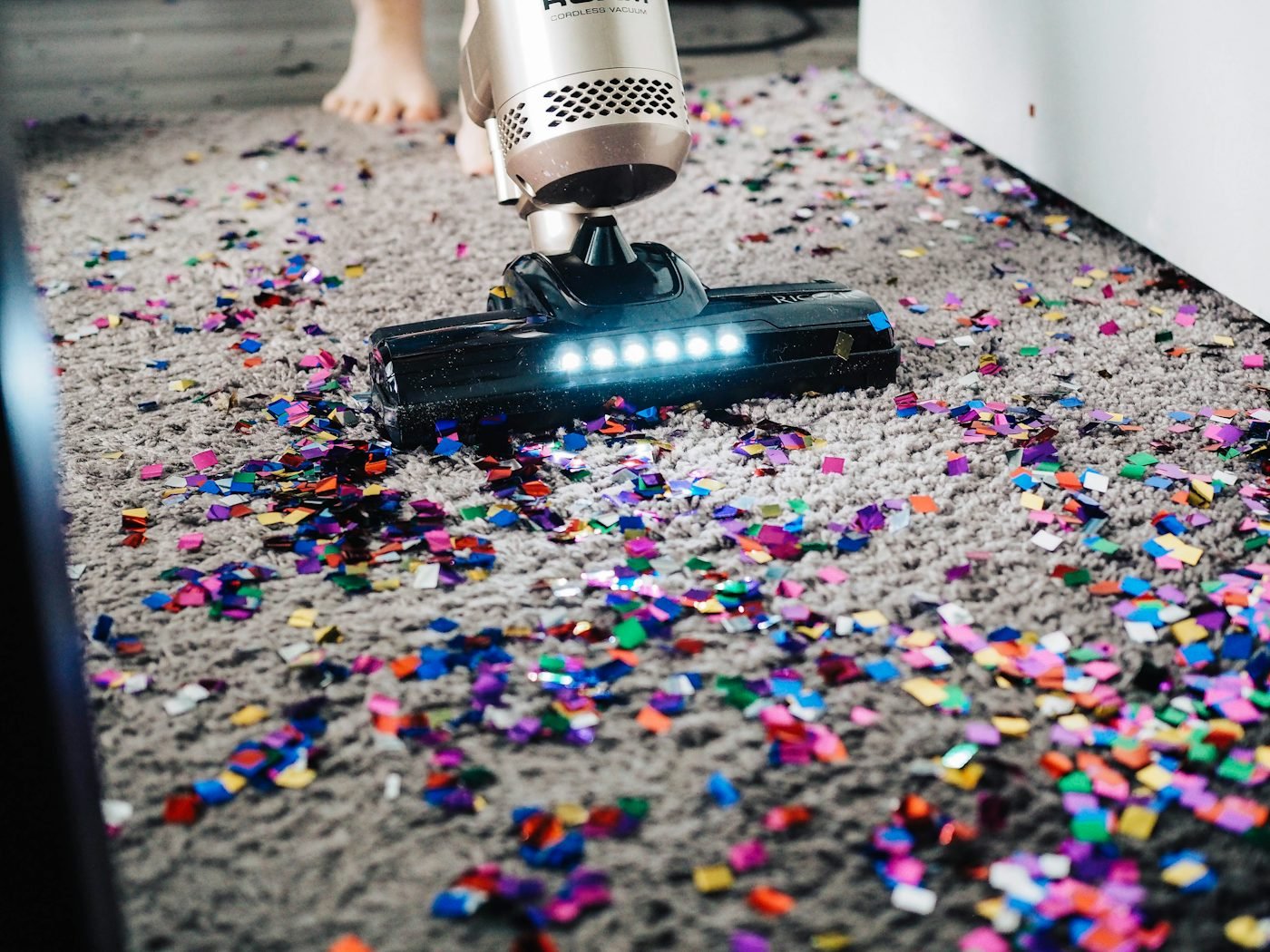
Here’s a simple image that matches what most people end up doing. You’re basically turning a messy area into a controllable one.
Step 8: Monitor. Because you need proof it’s working
After treatment, you want to know if activity is dropping.
Easy monitoring ideas:
- Interceptor traps under couch legs (if the couch has legs).
- Passive bed bug monitors near the couch.
- White sheet or light colored blanket on the seat temporarily so spotting is easier (not forever, just for checking).
Also, keep an eye on new fecal spotting. That’s one of the clearest “they’re still here” signals.
Common mistakes that make couch infestations linger
1) Foggers and bug bombs
They don’t penetrate deep into furniture the way people imagine. And they can push bed bugs into walls, neighboring rooms, or adjacent units.
2) Spraying the entire couch like you’re painting it
Besides being unsafe, it’s usually not effective. Bed bugs hide. You need precision.
3) Treating only the couch when the bedroom is the source
This one hurts. If bed bugs are mainly in the bed and you keep treating the couch, you’ll keep getting re introduced bugs.
If you sleep on the couch regularly, it can also flip, where the couch becomes the main harbor and the bedroom becomes the satellite.
4) Not repeating treatment
Eggs hatch. Residual fades. Many situations require follow up.
When saving the sofa is realistic (and when it’s not)
You can often save the sofa if:
- You caught it early.
- The infestation is localized (mostly seams, underside, cushions).
- You can steam thoroughly and apply residual correctly.
- You can reduce clutter and monitor properly.
You might consider replacing it if:
- The couch is structurally broken and full of inaccessible voids.
- You see heavy activity deep in the frame and you can’t treat it effectively.
- It’s a sleeper sofa with complex internal structure that’s heavily infested.
- You’re in a multi unit situation and bugs are constantly re entering.
Even then, replacement only works if you also treat the home. Otherwise the new couch becomes the new host.
What professional treatment usually looks like for a sofa infestation
A bed bug only company will typically:
- Inspect to confirm harbor areas.
- Recommend chemical, heat, or a combo depending on severity and layout.
- Provide a prep checklist (and sometimes limited prep options if you can’t do a ton of lifting and bagging).
- Schedule follow ups as needed.
If you’re in or near Waukesha, Bed Bug Exterminator Waukesha specifically focuses on bed bugs (not general pest control), offers upfront pricing and free phone consultations, and often can book within 24 to 48 hours. If you’re stuck, it’s worth calling and just talking it through.
https://bedbugexterminatorwaukesha.com/
A simple “do this today” plan
If you’re overwhelmed, do this in order.
- Bag all couch textiles and anything under the couch.
- Vacuum seams, cushions, underside, and floor perimeter.
- Steam slowly along seams and underside edges.
- Apply a residual treatment to cracks and crevices (or schedule a pro).
- Dry all washable couch items on high heat.
- Pull couch off the wall and monitor for 10 to 14 days.
That’s it. Not glamorous. But it’s the path that actually works.
Final thought
A bed bug infested sofa feels like a lost cause, but most of the time it’s not. The couch is just furniture with a lot of hiding places. If you treat it like a hiding place problem, not a panic problem, you can usually keep it.
And if you want someone local who does this every day, and does it discreetly, Bed Bug Exterminator Waukesha is set up for exactly that. Free consult, clear options, quick scheduling.
https://bedbugexterminatorwaukesha.com/
Images used (for reference)
- https://images.unsplash.com/photo-1586023492125-27b2c045efd7
- https://images.unsplash.com/photo-1527515637462-cff94eecc1ac
FAQs (Frequently Asked Questions)
How can I confirm if my sofa has a bed bug infestation?
Look for small black dots (fecal spots) in seams and corners, tiny white eggs glued into fabric seams, shed pale skins, live bugs hiding in stitching or under cushions, and bites after napping on the couch. Use a flashlight and a thin card to inspect seams closely.
Why shouldn’t I drag or move my infested sofa to another room or outside?
Moving the sofa can spread bed bugs and their eggs along hallways, stairs, door frames, or the lawn, worsening the infestation. It’s best to keep the couch in place to contain the problem while treating it.
What are the main steps to effectively treat bed bugs in a sofa at home?
You need to: 1) Remove as many bugs as possible immediately through thorough vacuuming; 2) Kill hidden bugs with treatments like steam; 3) Prevent spreading by isolating items around the couch and containing the infestation during treatment.
How should I prepare my surroundings before treating a bed bug-infested sofa?
Bag and isolate all nearby items such as throw blankets, pillows, dog beds, couch covers, kids’ toys within a few feet, items stored under the couch, and any nearby magazines or mail. Seal bags tightly and label them for proper handling later.
What is the best way to vacuum a sofa infested with bed bugs?
Use a vacuum with strong suction and a crevice tool. Focus on seams, stitching lines, piping, under cushions, bottom edges where fabric meets frame, underneath the sofa including dust cover, and surrounding floor areas. Dispose of vacuum contents carefully immediately after vacuuming.
Why is steaming an infested sofa important and how should it be done?
Steaming kills bed bugs and eggs on contact when done properly. Use a continuous steam-producing steamer with a wide head attachment if possible. Move slowly (about 1 inch per second) over seams, tufts, folds, staples under fabric, underside edges, and bottom framework without soaking the couch to avoid mold.