
Most people don’t start with “I’m going to handle bed bugs myself.”
They start with one bite. Or a little speck on the sheet. Or that awful moment when you realize the “random itch” has a pattern.
And then you do what basically everyone does. You Google. You buy something. You try to stay calm. You tell yourself it’s probably not that bad.
Sometimes, sure, DIY works. Like, truly. A very early, very small problem in one room, caught fast, treated correctly, and followed up like your life depends on it.
But what I see more often is this: DIY doesn’t fail because people are lazy. It fails because bed bugs are annoyingly good at what they do, and the common DIY mistakes are expensive in a very specific way.
Not just money. Time. Sleep. Replacing furniture. Lost rent in a unit. Missing work. Spreading them to a car. A friend’s house. Your mom’s house. That one hurts.
So let’s talk about the five most expensive DIY errors. The ones that quietly turn a manageable problem into a multi month mess.
(And yeah, I’m writing this for Waukesha and surrounding areas too. Because I’ve seen the same mistakes play out in real homes, real apartments, real duplexes, right here.)
Error #1: Treating “the bed” instead of treating the infestation
Here’s the classic DIY path:
- Find bites
- Strip the bed
- Spray the mattress
- Maybe toss the mattress
- Feel productive for a day
- Still get bitten a week later
- Panic
The issue is simple. Bed bugs are not mattress bugs. They are near people bugs.
They hide where you don’t want to think about.
- Behind the headboard
- In the bed frame joints
- Inside a box spring edge and staples
- In baseboards and carpet tack strips
- Behind outlet covers
- Inside a nightstand drawer crack
- In the couch, especially seams and under dust cover fabric
- In a pile of clothes you promised yourself you’d fold
So if you only treat the bed, you might knock down a small portion of the population and basically push the rest deeper into the room.
And that’s when DIY gets expensive. Because you’re spending money repeatedly, on the same products, while the infestation is still building in the background.
What to do instead (if you’re going DIY)
Think in zones:
- Sleeping zone: bed frame, headboard, bedding, encasements
- Near zone: nightstands, lamps, curtains, baseboards, outlets
- Travel zone: hallway edges, couch, chairs, laundry path, vehicle if you’ve been changing in the car or transporting bags
You’re trying to break the cycle, not just “spray the bites away.”

Error #2: Using the wrong product (or the right one in the wrong way)
This is where DIY costs really start stacking up.
Because bed bug products at big box stores are a mix of:
- Repellents that scatter bugs into new hiding spots
- Weak contact killers that don’t reach deep harborage areas
- Foggers that don’t penetrate cracks and can actually make things worse
- “Natural” sprays that smell nice but do almost nothing
- Overused actives that some bed bug populations are resistant to
And then there’s the other side of this. People get a strong product and use it wrong.
Examples I’ve seen:
- Spraying so much liquid into seams and cracks that it soaks materials, then mold becomes a new problem
- Treating once, then stopping because bites decreased for a few days
- Mixing products because “more must be better”
- Spraying beds, linens, kids’ toys, or clothing improperly
- Applying dust like it’s baby powder all over the floor (dust only works when applied correctly, thin and in the right voids)
Also, and I have to say it plainly: overapplication can be a health issue. Especially in small bedrooms. Especially with kids, pets, asthma, or anyone sensitive.
The expensive part
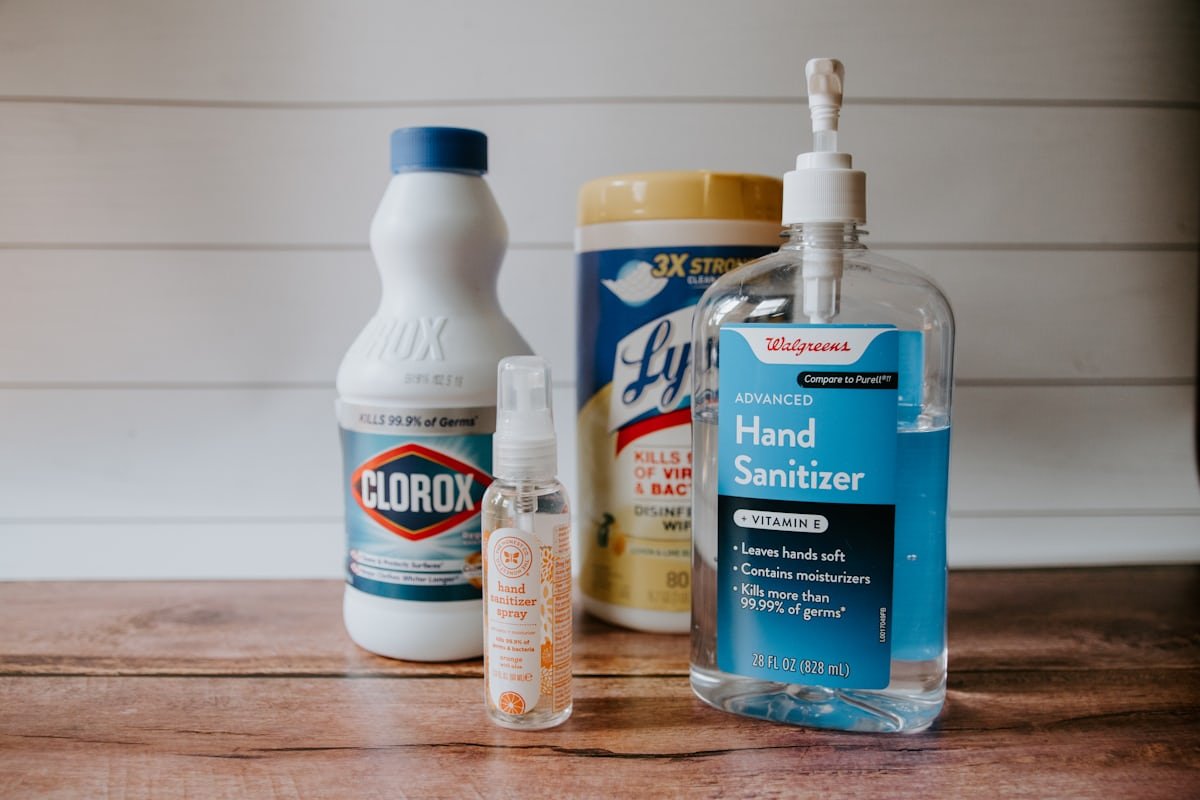
You buy one spray. Then another. Then a steamer. Then a fogger. Then mattress encasements. Then sticky traps. Then you toss a couch.
And you still have bed bugs.
So you end up paying twice. Once for DIY. Then again for professional treatment.
If you’re in Waukesha County and you’re at the point where you’ve already tried a couple products and you’re still getting activity, it’s often cheaper to stop and get a real plan. Bed Bug Exterminator Waukesha does bed bugs only, and they’ll do a free phone consult so you can at least hear what your situation sounds like before you buy one more thing:
https://bedbugexterminatorwaukesha.com/
Error #3: Skipping follow ups (or quitting the moment it gets “better”)
Bed bugs are not a one and done problem.
Even if you kill a lot of adults today, eggs can survive and hatch later. And if your treatment doesn’t have residual effect in the right places, the next wave just rebuilds.
This is where the “it worked!” feeling gets people.
Bites drop off for a week or two. People relax. Laundry stops being as strict. Clutter sneaks back. The bed gets pushed back against the wall again.
Then you get bitten.
And now you’re not treating a small problem. You’re treating a rebound.
Quick reality check on timelines
A decent DIY attempt often needs:
- Consistent inspection
- Multiple treatments spaced out (not random, not when you feel like it)
- Ongoing monitoring
- Continued prevention steps
If you can’t commit to that, it’s not a moral failing. It’s just… most people have jobs. Kids. A back that hurts. A life.
A lot of professional programs are priced around the idea that the process is structured. Not perfect, but structured. That’s what you’re paying for as much as the product.
Error #4: Over preparing, under preparing, or preparing in a way that spreads them
Preparation is weirdly the most expensive DIY mistake. Because it’s where people accidentally transport bed bugs into brand new places.
Some common “helpful” actions that backfire:
1) Moving items from the infested room to another room
People do this constantly.
They bag up pillows, blankets, clothes, books, kids’ stuffed animals, and move them to the living room “for now.”
If any of that wasn’t treated correctly first, you’ve just expanded the infestation footprint.
2) Dragging an infested mattress through the house
If you toss a mattress without sealing it, you can drop bed bugs and eggs along the path. Hallway. Stairs. Entryway.
Also, now your neighbors are nervous. And for good reason.
3) Going to a laundromat without sealing and handling correctly
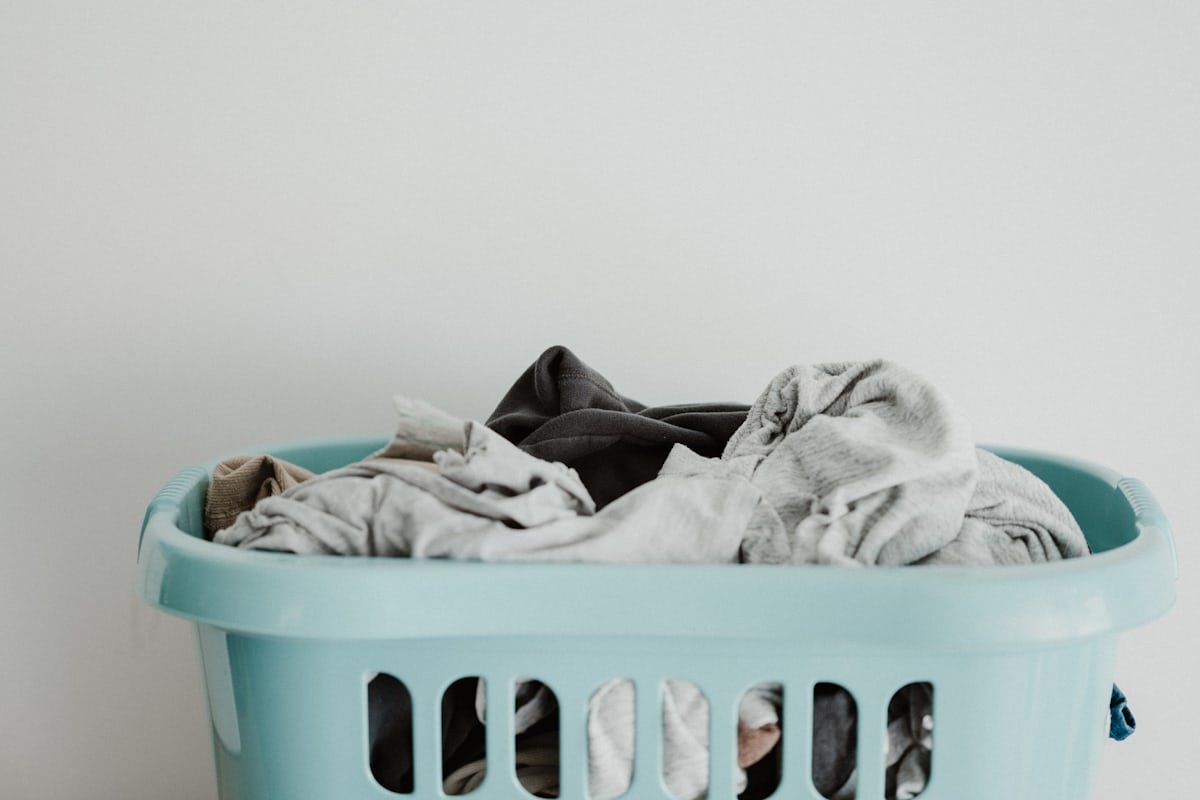
The laundromat can be a lifesaver, but it can also be the moment the problem leaves your house and comes back with friends.
The safe pattern is usually:
- Seal items in bags before moving them
- Load directly into machines
- Dry on high heat where appropriate
- Rebag into clean bags and keep sealed until needed
4) “Cleaning” that scatters bugs
Vacuuming is good. Aggressively ripping apart furniture without a plan can be… not as good. Same with sweeping debris from baseboards without capturing it.
What good prep actually looks like
Boring. Controlled. Bagged. Labeled. Kept in zones.
If you want a professional style prep checklist, the folks at Bed Bug Exterminator Waukesha have a detailed prep approach on their site and they’ll walk you through it on the phone too. Especially helpful if you’re in a multi unit building where prep mistakes spread bugs between units fast.
https://bedbugexterminatorwaukesha.com/
Error #5: Not treating the “real world” stuff (cars, work bags, couches, and visitors)
This is the one that surprises people.
They do everything in the bedroom. They steam. They encase. They launder. They vacuum. They isolate the bed.
Still getting bites.
And it’s because bed bugs aren’t honoring the idea that bedrooms are the only location that matters.
The big culprits
- Couches and recliners: especially if you nap there, or if someone sleeps there sometimes
- Work bags and backpacks: set next to beds, on couches, on carpet, then taken to the office
- Cars: if you change clothes in the car, transport bags, or sit in the same seat daily after sleeping in an infested room
- Guest rooms: even if “nobody uses it,” stuff gets stored there
- Visiting friends and family: staying overnight elsewhere while you’re dealing with bed bugs is risky if you bring untreated items
This error gets expensive because it creates reinfestation loops.
You treat the bedroom, but the couch reinfects the bedroom. Or the car reinfects the house. Or the backpack reinfects both.
And suddenly you’re doing DIY forever.
A simple way to think about it
Ask: where do you sit still for a long time?
Those places matter.

If you’re reading this and thinking, okay, I might already be in error territory. Fair. Here’s a quick gut check.
DIY is more likely to work if:
- You caught it early (one room, minimal signs)
- You can commit to a structured multi week plan
- You’re comfortable inspecting and treating cracks and seams correctly
- You’re not in a multi unit building with unknown neighboring issues
DIY is usually where people lose money if:
- You’ve been dealing with it more than a few weeks
- Bugs are in multiple rooms (or you’re not sure)
- You already threw away furniture and still have activity
- Someone in the home cannot do heavy prep (mobility limits, health issues, age)
- You’re in a duplex or apartment and units share walls
If you’re in Waukesha or nearby and you want to sanity check what’s happening, Bed Bug Exterminator Waukesha offers free phone consultations and upfront pricing. Even if you don’t book, you’ll at least get a straight answer on what your next step should be.
https://bedbugexterminatorwaukesha.com/
The most expensive DIY bed bug treatment isn’t the one where you buy the wrong spray.
It’s the one where you keep buying hope, week after week, while the infestation quietly expands.
If you do DIY, do it like a process. Not a reaction.
And if you’re already tired, or it’s spreading, or your house is starting to look like it’s made of plastic bags, it might be time to hand it off. Quietly. Quickly. Before the cost really gets out of control.
FAQs (Frequently Asked Questions)
What is the common mistake people make when trying to DIY bed bug treatment?
A common mistake is treating only the bed instead of addressing the entire infestation. Bed bugs hide not just in mattresses but also in bed frames, headboards, baseboards, outlet covers, furniture seams, and even clothing piles. Treating just the mattress often leaves many bugs untouched, allowing the infestation to continue.
Why do DIY bed bug treatments often fail despite multiple attempts?
DIY treatments often fail because people use the wrong products or apply them incorrectly. Many store-bought products are repellents or weak killers that scatter bugs into new hiding spots or don’t reach deep harborage areas. Overusing products, mixing chemicals, improper application, and stopping treatment too soon can all contribute to failure and increased costs.
How should one approach a DIY bed bug treatment effectively?
Effective DIY treatment requires thinking in zones: targeting the sleeping zone (bed frame, headboard, bedding), near zone (nightstands, lamps, curtains, baseboards), and travel zone (hallways, couches, laundry paths). Consistent follow-ups and thorough treatment of all these areas help break the infestation cycle rather than just masking symptoms.
What are the risks of overapplying bed bug pesticides during DIY treatments?
Overapplication can lead to health issues, especially in small bedrooms with children, pets, or sensitive individuals like those with asthma. Excessive spraying can also cause mold problems if liquids soak into materials. Proper application involves using dusts thinly in voids and following product instructions carefully.
Why is it important to continue follow-up treatments after initial bed bug control efforts?
Bed bugs lay eggs that can survive initial treatments and hatch later. Without follow-ups and residual effect treatments in key hiding places, new generations rebuild the infestation. People often stop too soon when bites decrease temporarily, leading to resurgence of the problem.
When should someone consider professional bed bug extermination instead of continuing DIY efforts?
If you’ve tried multiple products without success and still notice bed bug activity after several weeks, it’s often more cost-effective to consult professionals. Especially in areas like Waukesha County, specialists who focus solely on bed bugs can provide a tailored plan that saves time, money, sleep, and prevents further spread.